
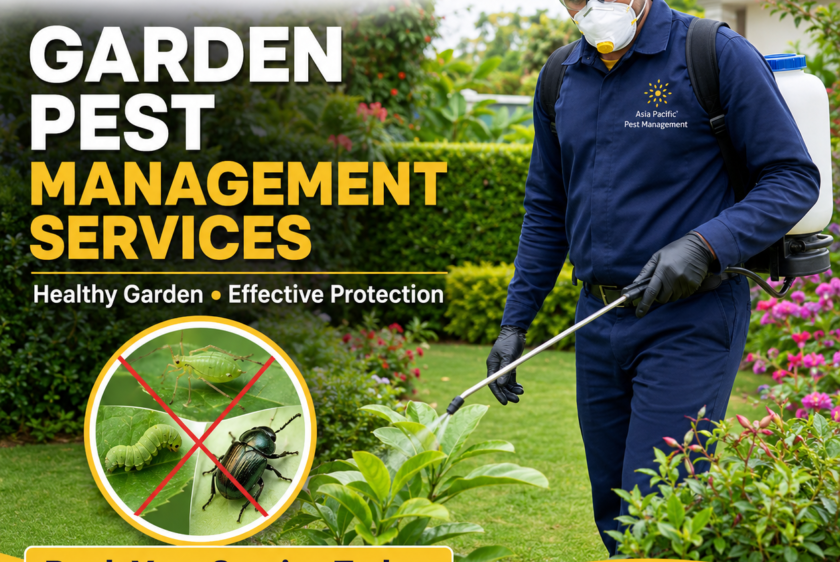
A beautiful garden adds freshness, colour and natural charm to a property. However, insects, rodents and other pests can damage plants, weaken lawns and make outdoor areas uncomfortable. Some pests feed on leaves and roots, while others create nests in the soil or spread rapidly from one plant to another. Without timely attention, a minor pest problem can affect the health and appearance of the entire garden.
Professional Garden Pest Management Services in Patna from APPM provide a planned approach to identifying and managing pests in residential and commercial outdoor spaces. The treatment is selected according to the pest, type of vegetation, size of the area and level of infestation.
Why Is Garden Pest Management Important?
Gardens provide food, moisture and shelter for many living organisms. While beneficial insects support pollination and soil health, certain pests can harm plants and disturb the natural balance of an outdoor space.
Plant-damaging insects may feed on leaves, stems, flowers, fruits or roots. Soil pests can affect the plant below ground, making the problem difficult to identify until visible damage appears. Rodents may dig through lawns, damage irrigation lines or feed on seeds and young plants.
Professional garden pest management does not focus on removing every insect from the area. Instead, it aims to identify harmful pests, assess the damage and apply an appropriate solution while considering the surrounding environment.
Common Signs of Garden Pest Activity
Garden pests may remain hidden under leaves, inside the soil or around plant roots. Regular inspection can help detect problems early. You may need professional Garden Pest Management Services if you notice:
- Holes or irregular edges on leaves
- Yellowing, curling or wilting foliage
- Damaged flowers, fruits or young shoots
- Sticky residue on plant surfaces
- White patches or webbing under leaves
- Ant trails around plants and soil
- Small mounds or tunnels across the lawn
- Bite marks on fruits and vegetables
- Plants becoming weak without an obvious reason
- An unusual increase in mosquitoes or flies
These signs can have several causes, so correct identification is important before beginning any pest treatment.
Common Pests Found in Gardens
Different gardens may experience different pest problems depending on the plants, soil condition, weather and surrounding environment.
Aphids and Plant-Sucking Insects
Aphids and similar insects feed on plant sap. They usually gather on young leaves, stems and flower buds. Their activity may cause leaves to curl, turn yellow or become distorted.
Caterpillars and Leaf-Eating Pests
Caterpillars, beetles and other insects may create holes in leaves or consume large sections of foliage. Heavy activity can weaken young plants and affect their growth.
Ants
Ants may create nests in soil, lawns and pathways. Some ant species may also protect sap-feeding insects because they consume the sweet substance produced by them. Managing the source of activity is therefore important.
Termites
Termites may attack dead wood, wooden fencing, tree stumps and structures located near the garden. If activity develops close to a building, it may eventually create a risk for wooden elements inside the property.
Rodents
Rats and mice may hide in dense vegetation, storage areas or outdoor structures. They can damage plants, seeds, irrigation pipes and electrical wires used for garden lighting.
Mosquitoes and Flies
Standing water in pots, trays, drains and decorative features can provide breeding areas for mosquitoes. Decaying organic matter and improperly managed waste can attract flies.
APPM’s Garden Pest Management Process
APPM begins its garden pest-management service with a detailed inspection. Professionals examine plants, soil, lawns, trees, drainage areas, outdoor furniture and other possible hiding locations.
The team identifies visible pest activity and looks for conditions that may be supporting the infestation, such as overwatering, standing water, dense vegetation, waste accumulation or decaying wood.
After the inspection, a suitable treatment plan is recommended. The method depends on the pest species, affected plants and condition of the garden. Targeted treatment is generally more effective than applying the same product throughout the entire outdoor area.
Follow-up monitoring may be advised for recurring or seasonal pest problems.
Garden Pest Management for Homes
Home gardens, balconies, terraces and lawns provide a relaxing space for families. However, uncontrolled pest activity can damage plants and make outdoor areas less enjoyable.
APPM provides Garden Pest Management Services for independent houses, apartments, villas and residential societies. The service can cover lawns, flower beds, kitchen gardens, shrubs, trees and landscaped common areas.
Residents may receive guidance on watering, waste removal and basic plant maintenance. These steps support pest-management efforts and make the garden less attractive to harmful pests.
Pest Management for Commercial Landscapes
Commercial landscapes require regular care because their appearance can influence how customers and visitors view the property. Hotels, offices, hospitals, educational institutions, resorts and shopping complexes often have lawns and landscaped areas that need professional maintenance.
Pests can damage ornamental plants, create unhealthy patches in lawns and affect outdoor seating or walking areas. APPM provides garden pest-management solutions based on the size, design and usage of the property.
Regular inspection can help identify early pest activity and reduce the risk of extensive damage.
How to Reduce Garden Pest Problems
Property owners can support professional treatment by following these preventive practices:
- Remove standing water from pots and trays
- Avoid overwatering plants
- Trim overgrown shrubs and branches
- Remove fallen leaves and decaying material
- Keep outdoor waste containers covered
- Inspect new plants before adding them to the garden
- Maintain proper spacing between plants
- Remove dead wood and unused garden items
- Repair leaking irrigation lines
- Monitor the undersides of leaves regularly
- Avoid applying random chemicals without identifying the pest
Maintaining good plant health can make a garden more resistant to pest damage.
Choose APPM for Garden Pest Management Services
Every garden has a different combination of plants, soil conditions and pest risks. APPM provides inspection-based solutions that focus on the specific needs of residential and commercial outdoor spaces.
If your plants have damaged leaves, unusual spots, weak growth or visible pest activity, do not wait for the problem to spread. Contact APPM for professional Garden Pest Management Services in Patna and take an important step towards maintaining a greener, healthier and more enjoyable outdoor environment.